
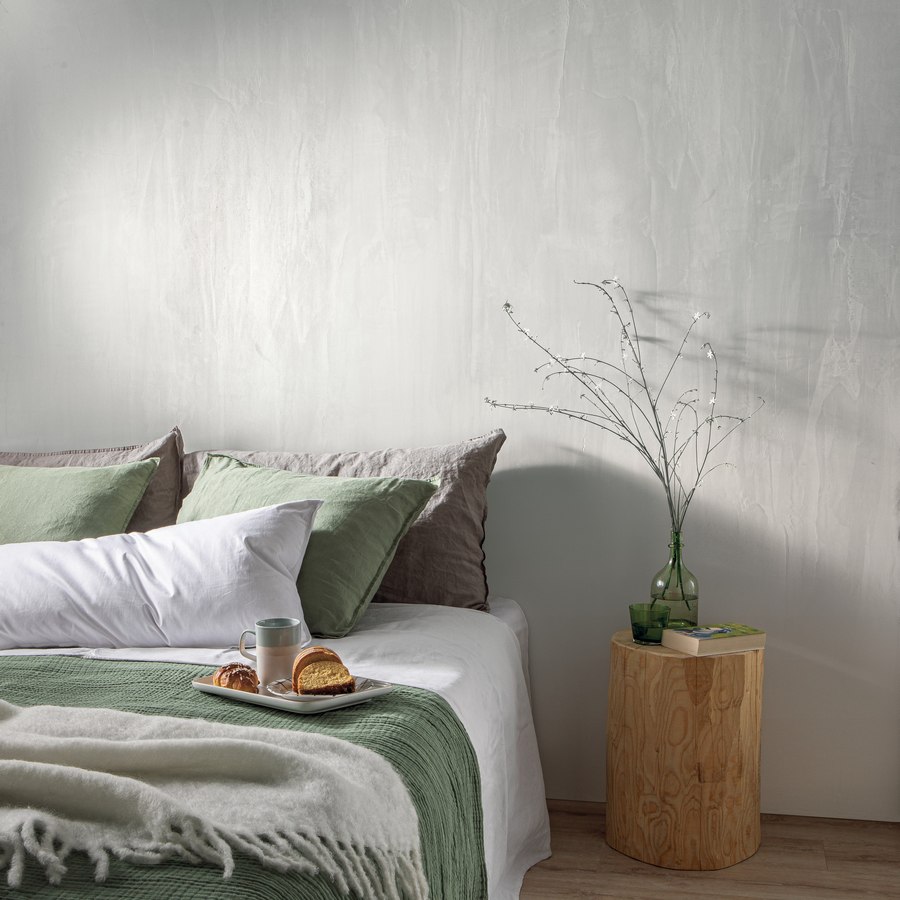
A Beginner's Guide to Italian Decorative Plasters
Introduction
If you’ve stepped into a luxury home or high-end commercial space recently and noticed walls that seemed to glow with an almost tangible quality—surfaces that appeared to have depth and warmth—you may have encountered Italian decorative plasters. For most of the 20th century, these extraordinary finishes were relatively unknown outside Italy and a few architectural circles. Today, they’re experiencing a remarkable renaissance in the United States, driven by a growing movement toward natural materials, timeless design, and genuine craftsmanship.
Italian decorative plasters represent far more than paint alternatives. They embody centuries of technical refinement, a commitment to natural materials, and a philosophical approach to creating beautiful interior spaces. If you’re new to this world and wondering where to start, this beginner’s guide provides the foundation you need to understand what these finishes are, why they matter, and how to explore them for your own projects.
Part One: The Italian Plaster Families
Italian decorative plasters encompass several families of finishes, each with distinct characteristics and heritage:
The Lime-Based Family: The Traditional Foundation
Marmorino
The most traditional and widely recognized Italian plaster, marmorino consists of slaked lime and marble dust, creating a finish with visible sparkly particles and subtle stone-like appearance. It’s the plaster you’ll see featured most prominently in contemporary design magazines and luxury residential projects.
Key Characteristics:
- Visible marble particles create shimmer and depth
- Warm, luminous quality
- Durable and proven through centuries
- Available in countless colors
- Best for feature walls and refined spaces
Grassello di Calce
Grassello is pure slaked lime putty—essentially concentrated lime plaster without aggregate. It creates an elegant, silky surface more refined and subtle than marmorino.
Key Characteristics:
- Ultra-smooth, refined appearance
- Glowing, understated quality
- More sophisticated than marmorino
- Excellent for minimalist and contemporary design
- Requires more skilled application
Stucco Veneziano
The broad category term describing any venetian-style lime plaster finish. When you hear “stucco veneziano,” it’s a category encompassing marmorino, grassello, and other types.
Key Characteristics:
- Multi-layer lime-based application
- Timeless aesthetic rooted in Renaissance tradition
- Breathable and non-toxic
- Suitable for virtually any interior space
Stucco Lustro
Specifically formulated to achieve high-gloss, polished appearance resembling marble or stone. It’s the most labor-intensive and visually dramatic lime plaster.
Key Characteristics:
- Mirror-like polish and shine
- Dramatic visual impact
- Requires expert application and burnishing
- Premium aesthetic for formal spaces
- Most expensive option
The Specialized Family: Beyond Traditional Lime
Tadelakt
An ancient Moroccan waterproof plaster using traditional techniques, including burnishing with river stones and treating with olive-oil soap for waterproofing. Modern tadelakt brings these traditional methods to contemporary applications.
Key Characteristics:
- Waterproof through traditional treatment (not synthetic sealers)
- Ideal for bathrooms, showers, kitchens
- Luxurious, refined appearance
- Requires specialized knowledge and application
- Premium pricing but outstanding performance
Microcement
A contemporary addition to Italian-inspired finishes, microcement is a thin, ultra-modern cement-based coating creating seamless, minimalist surfaces. While not traditional lime-based, it’s often grouped with decorative plasters in contemporary design.
Key Characteristics:
- Ultra-contemporary aesthetic
- Seamless application over any substrate
- Extremely thin application
- Durable and easy to maintain
- Mineral-based, natural aesthetic
Metallic and Pearlescent Finishes
Decorative plasters infused with metallic powders or pearlescent pigments create shimmering, jewel-like finishes. These represent contemporary interpretations of traditional plaster, maintaining natural material integrity while offering dramatic visual effects.
Key Characteristics:
- Dramatic visual impact and shimmer
- Light-reactive—appearance changes with light angle
- Available in golds, silvers, coppers, pearls
- Contemporary statement aesthetic
- Premium pricing
The Historical Lineage: Understanding Italian Tradition
To appreciate why Italian plasters matter, understanding their historical context helps:
Ancient Roman Legacy: Lime-based plasters were perfected by Roman builders 2,000 years ago. Roman structures throughout Europe and the Mediterranean still display lime plaster finishes that have endured millennia. The durability and longevity of these ancient finishes inspired modern interest.
Venetian Renaissance Mastery: During the 13th-18th centuries, Venice developed and refined plaster techniques that became the standard for luxury interiors throughout Europe. Venetian craftsmen’s access to fine marble through trade routes and their refinement of multi-layer application created finishes of unparalleled beauty. Walking through Venice today, you encounter finishes that have graced walls for 400+ years.
Mediterranean Tradition: Throughout Italy, Spain, Greece, and North Africa, lime-based plasters developed regional characteristics and specialized techniques. Tadelakt in Morocco, for instance, represents a distinct tradition emphasizing waterproofing through traditional treatment rather than synthetic sealers.
20th Century Decline and Contemporary Revival: During the 20th century, synthetic paints and modern materials displaced traditional plasters throughout most of the Western world. However, starting in the 1990s and accelerating through the 2020s, architects and designers rediscovered these finishes. The contemporary emphasis on natural materials, authentic craftsmanship, and timeless design created unprecedented demand for traditional Italian plasters.
Part Two: Why Italian Plasters Matter Now
Several converging trends explain the contemporary enthusiasm for Italian decorative plasters:
The Natural Materials Movement
The last decade has witnessed profound shift toward natural, non-toxic interior materials. Italian plasters perfectly serve this demand:
Zero Synthetic Content: Authentic Italian plasters contain no plastics, no polymers, no chemical additives. The ingredient list—lime, marble, water, natural pigments—reads like something from a chemistry textbook, not a hazardous materials list.
Zero VOCs: Unlike conventional paints that emit volatile organic compounds, Italian plasters emit nothing. Indoor air quality improves rather than suffers from finish application.
Breathability and Humidity Regulation: Lime plasters’ porosity allows walls to absorb and release moisture, regulating interior humidity naturally. This creates healthier interior environments and reduces mold/mildew issues.
Biophilic Design Alignment
Biophilic design—incorporating natural elements, textures, and materials into interior spaces—has become mainstream. Italian plasters align perfectly:
Visual Richness: The textured, dimensional surfaces of marble-based plasters create visual complexity that feels natural and organic rather than flat and artificial.
Connection to Authenticity: These are materials used by humans for thousands of years. That historical continuity creates psychological comfort and connection to tradition.
Mineral Authenticity: Marble dust and lime are mineral materials, directly connecting interiors to natural geology and the earth.
Quiet Luxury Aesthetic
Contemporary luxury has moved away from ostentatious display toward understated sophistication. Italian plasters deliver exactly this:
Obvious Quality Without Boldness: Anyone who understands design instantly recognizes quality Italian plaster finishes, yet they don’t announce themselves loudly or trendily.
Timeless Rather Than Trendy: These finishes age gracefully. They don’t suddenly look dated because trends shifted—they become more beautiful with age.
Craftsmanship Visible: The application evidence, the subtle variations, the trowel marks—all visible signs of skilled human work—communicate authenticity and value without words.
Wellness Focus
Health-conscious homeowners and designers increasingly prioritize materials that support wellness:
Antimicrobial Properties: Lime’s natural antimicrobial characteristics inhibit mold and harmful bacteria without chemical treatments.
Non-Toxic Certainty: Natural ingredients mean no health concerns, no off-gassing, no respiratory irritants.
Humidity Regulation: Regulating indoor humidity through natural breathability supports respiratory health and comfort.
Psychological Benefits: Surrounding yourself with authentic, beautifully crafted materials has documented psychological benefits related to stress reduction and well-being.
Longevity Over Trends
Fast fashion and trendy design are increasingly out of favor in high-end residential and commercial markets. Italian plasters serve the desire for enduring beauty:
Durable for Decades: Properly applied Italian plaster finishes remain beautiful for 25-50+ years with minimal maintenance. This contrasts with paint requiring refresh every 5-7 years.
Improves With Age: Rather than degrading, Italian plasters actually strengthen over time as carbonation continues. Old plaster is better than new plaster.
Proven Track Record: Visible examples of Italian plasters lasting 400+ years provide absolute confidence in durability.
Part Three: The Families and Their Best Uses
Lime-Based Plasters: Universal Application
The broad lime-plaster family serves virtually any interior application:
Primary Uses:
- Master bedrooms and suites (refined elegance)
- Living and formal dining spaces (warmth and sophistication)
- Kitchens (when sealed appropriately)
- Powder rooms (drama and statement-making)
- Commercial hospitality (hotels, restaurants, boutiques)
- Spa and wellness centers
- Art galleries and museums
- Executive and professional spaces
Best Application Strategy: Feature walls and entire rooms in high-visibility, design-focused spaces. Full homes are increasingly common in luxury residential, creating cohesive, sophisticated environments.
Waterproof Finishes: Wet Environments
Tadelakt and specialty waterproof formulations enable plaster application in challenging moisture environments:
Primary Uses:
- Bathrooms (walls and even shower areas)
- Kitchens (particularly areas near sinks)
- Laundry rooms
- Spas and wellness centers
- Outdoor showers
- Kitchen backsplashes
- Wet bars
Performance Advantage: Waterproof plasters provide luxurious aesthetics in traditionally utilitarian tiled spaces, creating seamless, sophisticated environments.
Contemporary Finishes: Modern Interpretation
Microcement and metallic plasters bridge traditional techniques with contemporary design language:
Primary Uses:
- Contemporary minimalist interiors
- Commercial retail and hospitality
- Accent walls making statements
- Ceilings as design elements
- Specialty features requiring visual drama
- Modern luxury residential
Design Advantage: These finishes allow designers to maintain the natural-material, craftsperson aesthetic while creating thoroughly contemporary visual effects.
Part Four: Getting Started with Italian Plasters
Step 1: Educate Yourself
Understanding plasters is the foundation of good decisions:
Research and Explore:
- Visit spaces finished in Italian plasters (designer showrooms, high-end hotels, sample installations)
- Browse design magazines and Instagram for inspiration
- Read detailed guides about specific plaster types (see related reading section)
- Understand the differences between marmorino, grassello, and specialty finishes
Visual Reference: Collect images of Italian plaster finishes that resonate with your aesthetic. This helps articulate your vision to designers and applicators.
Step 2: Request Samples
Never make finish decisions from images or descriptions alone:
Sample Panels: Request properly applied sample panels showing:
- Multiple plaster types (at least marmorino and grassello if considering both)
- Your color preferences
- Different finish levels (matte vs. burnished)
- How colors appear under your specific lighting
Assessment: Look at samples in multiple lighting conditions—natural daylight, evening artificial light, directional lighting. The finish’s character will shift, giving you true understanding of how it will perform in your space.
Step 3: Evaluate Your Space
Consider practical factors specific to your situation:
Moisture Exposure:
- Is this a low-moisture area suitable for all plaster types?
- Or does it need waterproof specialization (bathroom, kitchen)?
Lighting:
- Does the space receive natural light that will showcase plaster’s dimensional qualities?
- Plaster shines under good lighting; artificial-light-only spaces may not showcase it as effectively
Timeline:
- When do you need the project complete?
- Plaster application requires time between coats and proper curing
Budget:
- Can you invest in quality application and authentic Italian products?
- Or does budget require more economical alternatives?
Step 4: Find Your Design Partner
Whether designer, architect, or contractor, the right partner matters:
Design Expertise:
- Do they understand Italian plasters specifically?
- Have they used plasters in multiple projects?
- Can they articulate how plaster will work in your specific space?
Contractor Network:
- Can they connect you with qualified, experienced applicators?
- Do they understand substrate preparation and application requirements?
- Will they manage the project professionally and completely?
Step 5: Source Authentic Products
Quality matters profoundly:
Choose Established Brands: Giorgio Graesan, Stefani, Marmorino, and other established Italian manufacturers have decades or centuries of reputation behind their products.
Authorized Distributors: Purchase through authorized distributors like Muro d’Arte, ensuring authentic products and proper technical support.
Avoid Grey Market: Products purchased through unauthorized channels may be counterfeit or stored improperly, compromising performance.
Step 6: Plan the Application
Proper planning ensures successful execution:
Scope Definition:
- Which spaces will be finished in plaster?
- What finish type for each space?
- What colors?
- What sealing/protection required?
Timeline Management:
- Account for substrate preparation time
- Account for curing between coats
- Don’t rush—proper timing is essential for quality results
Budget Allocation:
- Material costs (authentic products)
- Professional application (don’t cheaply source this—quality matters)
- Sealing and finishing (also critical)
Part Five: Understanding the Giorgio Graesan Difference
Giorgio Graesan, producing authentic Italian decorative plasters since 1950, represents the standard for quality:
Seven Decades of Refinement
Giorgio Graesan didn’t invent Italian plasters—they’ve refined techniques and formulations developed over centuries. Seven decades of continuous production represents commitment to quality, consistency, and authentic methods.
Material Sourcing
Giorgio Graesan sources marble from specific Italian quarries selected for color consistency and optimal performance. The careful sourcing process ensures the character and beauty that distinguishes authentic products from imitations.
Lime Processing
Proper slaked lime preparation is invisible to consumers but critical to performance. Giorgio Graesan’s traditional processing methods ensure material consistency and optimal workability.
Pigment and Color
Natural mineral pigments ensure colors remain stable and beautiful for decades, never fading or shifting artificially as synthetic dyes sometimes do.
Consistency and Reliability
Opening a Giorgio Graesan container produced today yields identical material to containers produced years ago or years from now. This consistency is remarkable and valuable—professionals can rely on material performance.
Technical Support
Giorgio Graesan, through Muro d’Arte, provides technical guidance for applicators and consultants, ensuring projects succeed.
Part Six: The Learning Journey
Getting to know Italian decorative plasters is a journey, not a destination:
The Discovery Phase
Early Encounters: You encounter plaster finishes in beautiful spaces and want to understand them better. This curiosity drives initial exploration.
Research and Education: You explore guides, visit sample showrooms, and begin developing understanding of different types and their characteristics.
Initial Project: Perhaps a single feature wall or small project allows you to experience plaster firsthand and determine if it aligns with your aesthetic and practical needs.
The Appreciation Phase
Deeper Understanding: With initial exposure, you develop sophistication about different finish types, color strategies, and design applications.
Expanded Use: You begin using plaster more extensively, expanding from single walls to entire rooms and complex projects.
Design Collaboration: Working with designers and applicators, you understand how to specify plaster effectively and achieve your aesthetic vision.
The Mastery Phase
Confident Specification: You can articulate plaster needs clearly, make informed decisions about finish types and colors, and trust that applications will succeed.
Strategic Application: You understand how plaster serves different spaces and functions within complex projects.
Advocacy: You become an advocate for Italian plasters within your circles, sharing knowledge and encouraging others to explore these extraordinary finishes.
Part Seven: Practical Next Steps
If you’re ready to explore Italian decorative plasters:
Immediate Actions
Step 1: Browse Muro d’Arte’s Collection Visit Muro d’Arte’s complete Giorgio Graesan product line to see the range of available finishes and colors.
Step 2: Request Sample Panels Get samples of plaster types and colors that resonate with your aesthetic. See and feel them in multiple lighting conditions.
Step 3: Schedule a Consultation Discuss your project with Muro d’Arte’s team. Share your space specifications, aesthetic goals, and timeline. Get preliminary guidance on plaster types and application requirements.
Step 4: Visit Inspiration Spaces If possible, tour spaces finished in Italian plasters. Seeing the finishes in person provides invaluable perspective on how they will look and perform.
For Professionals
Architects and Designers: If you’re professionally recommending finishes to clients, consider requesting training or technical guidance from Muro d’Arte on specification and application.
Contractors and Applicators: If you’re interested in expanding service offerings to include Italian plasters, training and certification programs help ensure quality execution.