
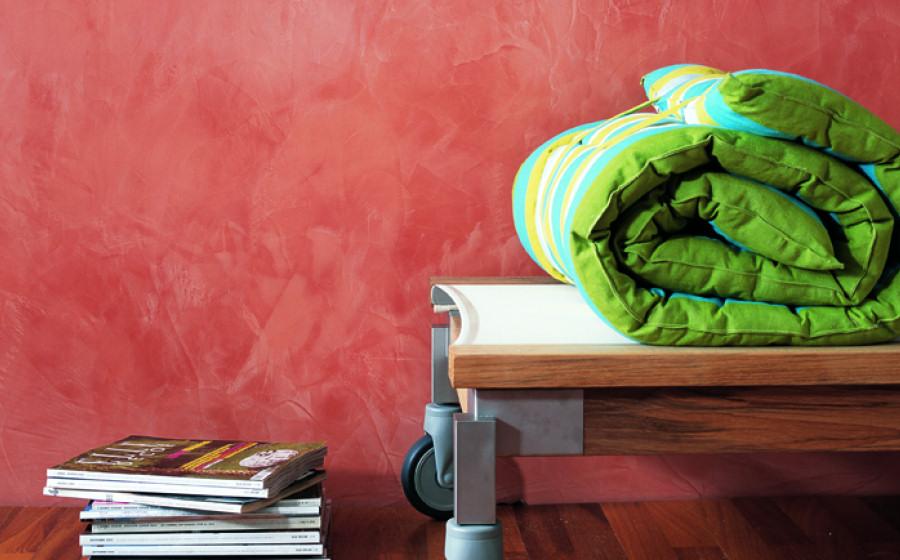
Venetian Plaster vs Paint: Why Plaster Is Worth the Investment
Ready to Transform Your Walls?
Get samples, pricing, or connect with a certified applicator.
Introduction
The decision between venetian plaster and paint represents one of the most significant interior design choices a homeowner or designer makes. While both create finished wall surfaces, they differ fundamentally in visual impact, longevity, environmental performance, and total cost of ownership. Understanding these differences helps you make informed choices that align with your values, design vision, and financial priorities.
Paint has dominated residential interiors for decades because it’s affordable, familiar, and accessible. Yet venetian plaster, increasingly specified by design professionals and embraced by homeowners seeking lasting quality, offers advantages that justify higher upfront investment. This guide compares venetian plaster and paint honestly, making the investment case for plaster while acknowledging situations where paint remains the practical choice.
The Visual Difference: Flat vs. Dimensional
The most immediately apparent difference between venetian plaster and paint is visual dimension and depth.
Paint: Surface Flatness
Paint sits on the wall surface as a uniform, one-dimensional layer. Regardless of sheen level—matte, eggshell, satin, semi-gloss—paint creates a flat field of color. Light reflects uniformly off the painted surface, creating consistent appearance from all viewing angles and distances.
This flatness has advantages in certain contexts. In contemporary minimalist spaces, flat painted walls support clean, uncluttered aesthetics. Paint’s uniformity provides visual simplicity. However, this simplicity can also read as bland or uninspired in many interior contexts.
Venetian Plaster: Dimensional Sophistication
Venetian plaster creates dimensionality through layered application and micro-surface variation. Each coat of plaster is thin and applied with varied trowel pressures and directions, creating subtle peaks and valleys. When light strikes this textured surface, it reflects at multiple angles, creating the perception of movement and depth.
A wall finished in cream-colored venetian plaster appears almost three-dimensional compared to the same color in paint. At arm’s length, the subtle texture is apparent. From across the room, the wall appears to breathe and shift. This dimensional quality is what makes venetian plaster feel expensive and sophisticated—it rewards close observation while creating visual interest from distance.
Color Perception Differences
Venetian plaster’s translucency affects color perception compared to opaque paint. In light plaster shades, light penetrates through surface layers and reflects off deeper layers, creating luminosity that flat paint cannot achieve. A cream venetian plaster glows, while the same cream in paint simply sits on the surface.
This translucent quality means that plaster colors appear to shift and change throughout the day as light conditions change. A pale plaster that appears almost pink in warm morning light may appear cool gray in afternoon light. This quality—while sometimes surprising to first-time plaster users—creates richness and visual interest that painting cannot match.
Longevity Comparison: Investment Horizon
The dramatic difference in wall finish lifespan influences the investment case for venetian plaster.
Paint Lifespan: 5-7 Years
Quality interior paint typically maintains appearance for 5-7 years in normal residential use. After this period, paint begins to show wear—subtle color fading, minor peeling at edges, loss of sheen in high-traffic areas. While paint technically lasts longer before becoming unsaleable or unusable, 5-7 years represents the realistic service life for paint that continues looking good.
In households with children, pets, or significant activity, paint may require refreshing every 3-5 years. This frequent repainting is simply accepted as part of homeownership—a regular maintenance cycle like yard work or HVAC servicing.
Venetian Plaster Lifespan: 15-25+ Years
Well-maintained venetian plaster remains beautiful for 15-25 years or longer. The plaster doesn’t fade, chalk, or lose adhesion as paint does. With occasional sealing (typically every 5-10 years depending on location and plaster type), plaster maintains appearance indefinitely.
This extended lifespan fundamentally changes the investment calculation. Plaster you install today may outlast your tenure in the home, offering lasting value even if you sell before the plaster reaches end-of-life.
Total Cost of Ownership: The Real Investment Picture
While venetian plaster costs more upfront than paint, the total cost of ownership over 25 years tells a compelling story.
Initial Installation Costs
Venetian plaster installation costs approximately $15-40 per square foot for professional application. A 1,200-square-foot home (including all walls) costs $18,000-48,000 for plaster throughout.
Paint installation costs approximately $2-8 per square foot. The same home costs $2,400-9,600 for professional painting.
Superficially, paint appears far more affordable—perhaps 75% less expensive. However, this comparison ignores the fundamental difference: paint’s short lifespan versus plaster’s longevity.
Long-Term Cost Analysis
Consider a 25-year ownership horizon:
Paint Approach:
- Year 0: $2,400-9,600 initial paint
- Year 5: $2,400-9,600 repaint (walls show wear)
- Year 10: $2,400-9,600 second repaint
- Year 15: $2,400-9,600 third repaint
- Year 20: $2,400-9,600 fourth repaint
- 25-year total: $12,000-48,000
Venetian Plaster Approach:
- Year 0: $18,000-48,000 initial plaster
- Year 8: $1,500-3,000 sealing/minor touch-ups
- Year 16: $1,500-3,000 sealing/minor touch-ups
- 25-year total: $21,000-54,000
The cost difference is far narrower than initial pricing suggests. In many scenarios, plaster and paint cost approximately the same over 25 years, with plaster potentially costing less in long-term value.
Cost Advantage: Plaster in Extended Ownership
The cost advantage of plaster becomes even more apparent if you remain in your home beyond 25 years or if you’re renovating a space you intend to occupy long-term. Plaster costs approximately what painting costs over 30+ years while providing superior aesthetics and performance throughout.
Cost Advantage: Paint in Short-Term Ownership
If you plan to sell within 5-10 years or occupy a space temporarily, paint offers clear cost advantages. You avoid plaster’s upfront investment, and you can refresh walls affordably every few years. For rental properties or temporary housing, paint remains the economical choice.
Environmental Impact and Health Considerations
Increasingly important to homeowners, the environmental and health profiles of venetian plaster and paint differ significantly.
Venetian Plaster: Natural and Carbon-Capturing
Traditional venetian plaster is composed of natural lime, marble dust, and natural pigments. The lime component—calcium hydroxide—actually absorbs CO2 from the air over time, capturing carbon. This means venetian plaster becomes slightly more durable and stable as years pass, while also contributing to carbon sequestration.
Lime is naturally antimicrobial, making lime plaster resistant to mold and mildew. This benefit is particularly valuable in moisture-prone areas. Lime is also naturally breathable, allowing walls to regulate moisture, promoting healthier interior environments.
Venetian plaster contains no VOCs (volatile organic compounds), meaning it off-gasses no harmful chemicals into your home’s air. The material is completely non-toxic and safe for families with respiratory sensitivities.
Paint: Chemical Composition and Off-Gassing
While modern interior paints have significantly reduced VOC content compared to older formulations, nearly all paints contain some VOCs. These compounds off-gas into your home’s air for weeks or months after application, particularly in newly painted spaces.
Even “low-VOC” or “zero-VOC” paints typically contain some volatile compounds that off-gas into your home. For families with asthma, chemical sensitivities, or young children, this off-gassing can be problematic.
Paint also contains plastics and petroleum-derived components that persist in the environment indefinitely. When walls are repainted, old paint must be disposed of—typically ending up in landfills. The frequency of repainting compounds environmental impact.
Health Benefits of Plaster
The natural composition and antimicrobial properties of venetian plaster provide genuine health benefits. In bedrooms and children’s rooms, plaster eliminates chemical off-gassing concerns. The antimicrobial properties reduce mold and mildew growth that can trigger respiratory issues.
For homeowners prioritizing indoor air quality and environmental health, venetian plaster represents a significant advantage over paint.
Resale Value and Home Appreciation
The impact of venetian plaster versus paint on home value and buyer perception deserves consideration.
Perceived Value and Luxury Positioning
Homes finished with venetian plaster command price premiums because plaster is perceived as luxurious, high-end, and intentionally designed. Buyers touring homes recognize plaster’s visual richness and interpret it as evidence of quality and care.
Numerous studies of luxury homes show that quality interior finishes—including venetian plaster—correlate with higher sale prices. Buyers are willing to pay premium prices for homes with sophisticated finishes that reduce the need for immediate updates.
Differentiation in Competitive Markets
In competitive real estate markets, venetian plaster differentiates homes. Properties with plaster finishes stand out in showings and photographs. This visual differentiation translates to buyer interest and supports asking price.
Conversely, painted walls—while perfectly acceptable—are neutral and expected. They don’t create competitive advantage or justify premium positioning.
Longevity as Value Proposition
The durability of venetian plaster appeals to buyers concerned about immediate renovation needs. A buyer sees plaster walls in a 25-year-old home and recognizes they won’t require immediate repainting. This reduces the perceived need for post-purchase renovation, supporting the home’s perceived value.
Maintenance Comparison: Reality and Expectations
The practical maintenance profiles of plaster and paint differ significantly.
Paint Maintenance
Paint requires regular touch-ups to address scuffs, marks, and damage. High-traffic areas may require partial repainting every few years. When repainting becomes necessary, entire walls usually require repainting because new paint rarely matches aged paint perfectly.
Paint maintenance is relatively simple—cleaning requires only gentle washing with mild soap. However, the cumulative time and cost of regular touch-ups accumulate significantly over the years.
Venetian Plaster Maintenance
Plaster requires less frequent intervention. The surface is durable and resists damage better than paint. Minor marks and imperfections on plaster are far less visible than on painted surfaces—the dimensional, textured surface camouflages minor flaws.
Plaster typically requires sealing every 5-10 years depending on location, humidity, and use. Sealing is professional work that costs $1,500-3,000 for a home. However, this is dramatically less frequent than paint repainting.
Plaster cleaning requires more care—abrasive cleaners and vigorous scrubbing can damage plaster. However, the antimicrobial properties mean plaster resists mold and mildew better than painted surfaces, often requiring less frequent cleaning.
Application Process Differences
The application methods of venetian plaster and paint differ in duration, disruption, and skill requirements.
Paint Application Timeline
Professional interior painting of a 1,200-square-foot home typically requires 3-5 days. Paint can be applied over most existing surfaces with minimal substrate preparation. Drying time between coats is relatively quick—typically 2-4 hours—allowing rapid project completion.
Venetian Plaster Application Timeline
Professional venetian plaster installation typically requires 7-10 days for complete home application. Substrate preparation is extensive—existing paint may need to be removed or sealed, surfaces must be smooth and properly prepared.
Multiple thin coats must be applied with drying time between each layer. The process is methodical and cannot be rushed. Plaster reaches full cure within 30 days, though it’s generally occupiable within 7-10 days.
Disruption and Occupancy
Painting allows relatively quick return to normal use—24-48 hours after final coat, spaces are completely habitable. Plaster requires more patience—full occupancy is recommended after 7-10 days, though truly complete curing takes 30 days.
For families in occupied homes, paint offers less disruption. For those undertaking renovations where construction-phase disruption is already occurring, plaster’s additional time is often acceptable.
When Paint Remains the Right Choice
While venetian plaster offers compelling advantages, paint remains appropriate for many applications.
Budget Constraints and Affordability
If upfront budget is constrained, paint provides beautiful, functional wall surfaces at significantly lower initial cost. For first-time homebuyers or those with limited renovation budgets, paint is the practical choice. There’s no shame in choosing paint—it’s the right decision when budget is primary concern.
Rental Properties and Short-Term Spaces
Rental properties and spaces you’ll occupy temporarily don’t justify plaster investment. Paint is appropriate because you don’t benefit from plaster’s longevity, and frequent color changes (as tenants change) are easier and more economical with paint.
Spaces That Will Be Repurposed
If a room will be completely redesigned in 5-10 years, paint makes sense. You avoid investing in durable plaster that you won’t ultimately benefit from.
Frequent Decorative Changes
If you enjoy changing colors frequently or updating décor regularly, paint offers flexibility. Plaster’s long lifespan means you’re committed to the color—frequent color changes become expensive when plaster is involved.
Surfaces That Won’t Benefit from Plaster’s Advantages
Not every wall needs plaster. Powder rooms, closets, utility areas, and other spaces where visual richness matters less are appropriate for paint. Reserve plaster for spaces where its dimensional, sophisticated qualities will be noticed and appreciated.
The Investment Case: Making Plaster Make Sense
Venetian plaster represents a sound investment when:
- You plan to remain in your home 10+ years
- You value aesthetics and refined interior finishes
- You prioritize health and environmental factors
- You’re willing to engage skilled professionals
- You appreciate luxury and quality craftsmanship
- You want finishes that last and mature beautifully
The investment case for plaster is strongest for primary residences where you expect extended occupancy, master bedrooms and living spaces where visual quality matters most, and for homeowners who view interior finishes as reflecting their values and commitment to quality.
Hybrid Approaches: Paint and Plaster Together
A practical middle ground exists: combining paint and plaster strategically.
Paint main living spaces, bedrooms, and utilitarian areas. Specify plaster for high-impact focal points—accent walls, entry foyers, living room feature walls, or master bedroom walls. This approach provides plaster’s visual and durability benefits where they matter most while controlling overall project cost.
This hybrid strategy allows you to experience plaster’s benefits firsthand, develop confidence in the material, and potentially expand plaster applications in future renovations. It’s a practical way to introduce plaster into your home without full commitment.
Giorgio Graesan: Quality That Justifies Investment
When you invest in venetian plaster, partnering with quality manufacturers like Giorgio Graesan matters immensely. Available through Muro d’Arte, Giorgio Graesan manufactures authentic Italian plaster products with traditional techniques and premium materials—including Spatula Stuhhi, Spirito Libero, Marmorino 2020, Muro Naturale, and Istinto.
Giorgio Graesan plaster doesn’t just look beautiful initially—it develops with time, becoming more beautiful as it ages and cures. The longevity, performance, and aesthetic quality of Giorgio Graesan products justify the investment in venetian plaster, ensuring your plaster surfaces deliver value for decades while maintaining authentic Italian craftsmanship standards.
Conclusion
The comparison between venetian plaster and paint isn’t simply about upfront cost—it’s about investment, values, and what you want from your interior environment. Paint remains practical and appropriate for many applications. Yet for primary residences, focal spaces, and situations where longevity and aesthetic sophistication matter, Giorgio Graesan venetian plaster represents a sound investment.
The visual richness, environmental benefits, health advantages, and durability of authentic Italian-manufactured venetian plaster align with values increasingly important to homeowners. When you factor 25-year total cost of ownership, the investment case for Giorgio Graesan plaster becomes compelling.
Make the choice that aligns with your values, your plans, and your home. For many homeowners, that choice is Giorgio Graesan venetian plaster—a long-term investment in beauty, health, and quality that will reward you for decades.
Explore Giorgio Graesan’s complete venetian plaster solutions through Muro d’Arte—including Spatula Stuhhi, Spirito Libero, Marmorino 2020, Muro Naturale, and Istinto—to discover how quality Italian plaster can transform your home while delivering lasting value.