
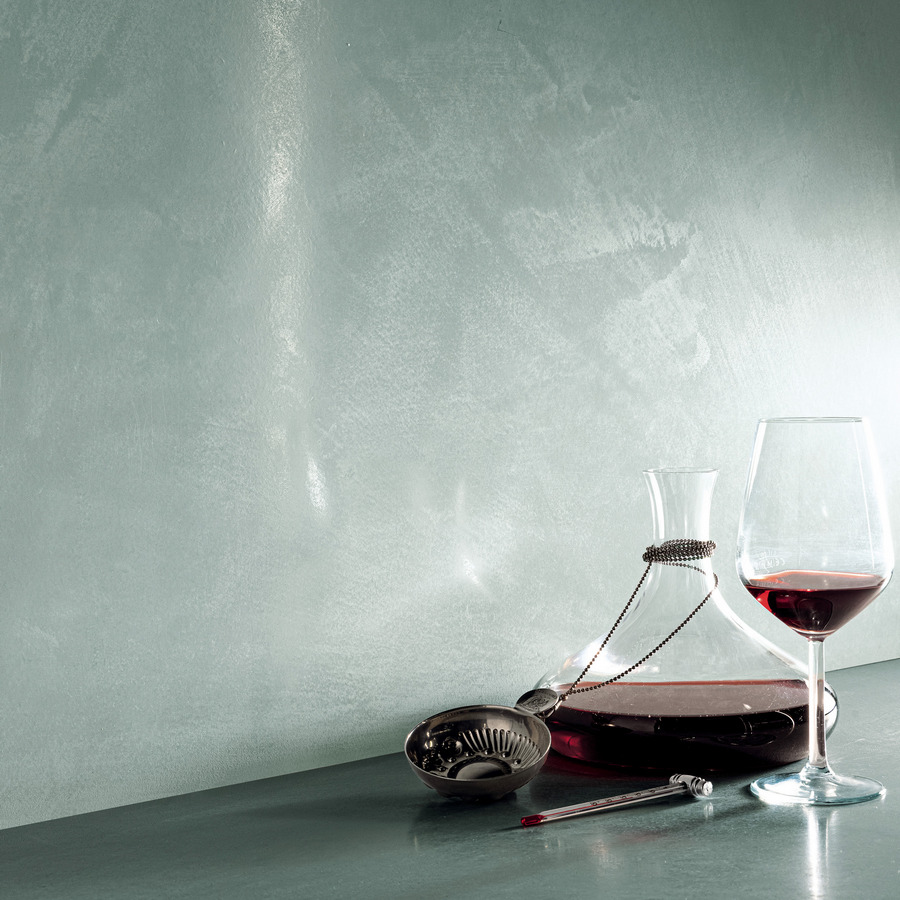
What Is Venetian Plaster? The Complete Guide for 2026
Introduction
Venetian plaster represents one of the most sophisticated wall finishing techniques in modern design, yet its roots trace back centuries to the palaces and cathedrals of Renaissance Italy. If you’ve walked into a luxury home or high-end commercial space recently and noticed walls with an almost luminous quality—rich in depth, texture, and subtle movement—you’ve likely encountered venetian plaster. Today, this authentic Italian decorative wall finish is experiencing a remarkable renaissance in the United States, particularly among interior designers, architects, and homeowners who refuse to settle for ordinary paint. Unlike conventional wall treatments that sit flatly on surfaces, venetian plaster creates dimension, movement, and character that evolves throughout the day as light conditions change.
This comprehensive guide will help you understand exactly what venetian plaster is, how it’s crafted, why it’s become the gold standard in luxury interiors, and how authentic Italian products like those from Giorgio Graesan bring Old World elegance to contemporary homes.
What Exactly Is Venetian Plaster?
Venetian plaster is a multi-layered wall finish composed of natural materials—primarily slaked lime (calcium hydroxide) and finely crushed marble dust—applied in thin, overlapping coats using specialized troweling techniques. The result is a lustrous, durable finish that appears to have depth and dimension, as if light travels through translucent layers rather than reflecting from a flat surface.
The term “venetian plaster” encompasses several related Italian plaster finishes, all sharing the fundamental characteristics of being lime-based, multi-coat applications that create textured, sophisticated surfaces. What distinguishes venetian plaster from conventional paint or wallpaper is its structural integrity—it becomes part of the wall itself rather than sitting atop it, and it hardens through a process called carbonation rather than simple drying.
The Natural Materials Behind the Magic
True venetian plaster contains no vinyl, plastic, or synthetic components. The primary ingredients are:
Slaked Lime (Calcium Hydroxide): This ancient binder has been used in construction for thousands of years. Created by hydrating quicklime with water, slaked lime provides both the adhesive properties and the unique characteristic that allows venetian plaster to harden and actually strengthen over time.
Marble Dust: Finely ground marble particles create the finish’s visual richness and depth. Different marble types produce variations in color and sparkle—some Italian regions are famous for specific marble sources that have been used for centuries.
Natural Pigments: Instead of synthetic dyes, authentic italian plaster uses mineral-based pigments derived from natural oxides, creating colors that harmonize beautifully with natural light and never look artificial.
Water: The final essential ingredient is filtered water, which creates the proper consistency for application and aids in the carbonation process.
The Fascinating History: From Ancient Rome to Modern Luxury
Roman Foundations
The history of plaster finishes extends back to ancient Rome, where lime-based plasters were used extensively in buildings throughout the empire. Roman builders understood that lime plasters would harden over time, becoming more durable as they aged—a revolutionary discovery that shaped construction for millennia.
The Venetian Renaissance
The technique reached its artistic peak during the Venetian Republic, roughly the 13th through 18th centuries. Venetian craftsmen refined the application methods and material formulations, creating finishes of remarkable sophistication. The lagoon city’s wealth and access to trade routes allowed Venetian artisans to source the finest marble from quarries across the Mediterranean, and they developed the layering techniques that became the foundation of modern venetian plaster application.
Walking through Venice today, you can still see venetian plaster finishes on buildings that have endured for 400+ years—testament to the technique’s durability and the quality of authentic formulations.
Modern Revival
Throughout the 19th and 20th centuries, venetian plaster declined in popularity as commercial paint manufacturers expanded their reach and synthetic materials became fashionable. However, starting in the 1990s and accelerating through the 2020s, interior designers and architects in Europe and North America began rediscovering these traditional finishes. The contemporary design movement toward authentic, natural, and biophilic materials has created unprecedented demand for true Italian plasters.
Types of Venetian Plaster: Understanding the Varieties
Not all venetian plasters are identical. The category encompasses several distinct finishes, each with unique characteristics:
Marmorino
Marmorino is perhaps the most recognized type of venetian plaster. It features a stone-like appearance created by the visible marble particles suspended in the lime matrix. Marmorino typically shows more texture and variation than other types and can be burnished to create a subtle sheen. It ranges from natural marble-dust colors (whites, creams, soft grays) to tinted versions in virtually any color imaginable.
Grassello di Calce
Grassello (meaning “little grass” in Italian) is a smoother, more refined finish made from pure slaked lime with minimal aggregate. It creates an elegant, silky appearance and is prized for creating subtle, sophisticated looks. Grassello can be burnished to a gentle glow and is often preferred for bedrooms and living spaces where a more restrained aesthetic is desired.
Stucco Lustro
Stucco lustro (lustrous stucco) is specifically formulated and applied to create a high-gloss, nearly polished appearance. Requiring specialized burnishing techniques with metal trowels, stucco lustro creates a mirror-like finish reminiscent of marble or polished stone. This is the most labor-intensive finish and commands premium pricing, but it creates truly spectacular results in formal spaces.
Intonachino
A thinner, more paint-like lime plaster that bridges the gap between traditional plaster and limewash. Intonachino provides some of the dimensional quality of thicker plasters with easier application and lower cost.
The Multi-Layer Application Process
Understanding how venetian plaster is applied illuminates why it delivers results that paint simply cannot match.
Surface Preparation
Professional application begins with meticulous surface preparation. The substrate (wall, concrete, drywall) must be properly primed with specialized primer that creates appropriate surface porosity and adhesion. Any imperfections in the underlying surface are addressed—not hidden beneath a thin coat, but actually corrected so the plaster application begins with an ideal foundation.
First Coat (Arriccio)
The initial coat of plaster is applied in thin, random strokes using a stainless steel trowel. These strokes overlap slightly and are kept deliberately irregular—this is not meant to be uniform or perfect. The thickness varies from nearly translucent to perhaps 1-2mm. This coat establishes the foundation for subsequent layers and begins building the dimensional effect.
Second Coat (Arriccio or Intermezzio)
The second coat continues the process, filling small gaps left by the first coat while maintaining visual variation. Applicators use semicircular, cross-hatching, or random trowel patterns to ensure even coverage while preserving the aesthetic of natural variation. The second coat is slightly thicker than the first, usually 2-3mm, and begins to establish the final color and character.
Optional Third Coat
Depending on the desired final appearance and plaster type, a third coat may be applied. This final coat can be very thin and refined, focusing on creating evenness and establishing the final finish quality. Premium applications often include this third coat.
Burnishing
One of the techniques that distinguishes professional venetian plaster from amateur applications is proper burnishing. Using the flat edge of a metal trowel held at specific angles, applicators compress and smooth the surface while the plaster is still slightly damp. This process:
- Closes the porous surface slightly
- Creates a subtle sheen without being glossy
- Enhances the depth of color
- Integrates the layers visually
- Creates that signature “luminous” quality
Advanced applicators may perform multiple burnishing sessions as the plaster sets, each one refining the surface further.
Sealing and Protection
Once fully cured (typically 1-2 weeks), the plaster may be sealed with specialized topcoat sealants that protect the porous surface from moisture and staining while maintaining the aesthetic qualities. The right sealant is crucial—poor quality sealers can dull the finish or change its appearance.
Why Venetian Plaster Is Experiencing a Renaissance
Several converging trends explain why venetian plaster has become increasingly popular in 2026 luxury interiors:
The Natural Materials Movement: As homeowners and designers grow more conscious about indoor air quality and chemical exposure, the pure, natural composition of authentic venetian plaster—containing no VOCs, no plastics, no synthetics—becomes increasingly attractive.
Biophilic Design: The movement toward incorporating natural elements in interior spaces aligns perfectly with venetian plaster. The visual depth, the subtle variation, the way it interacts with light—these create spaces that feel more connected to nature despite being indoors.
Quiet Luxury Aesthetic: Rather than bold statements or trendy styling, the contemporary luxury market increasingly values understated sophistication. Venetian plaster delivers exactly this—obvious quality and refinement without being ostentatious.
Longevity Over Trends: With fast fashion and trendy design falling out of favor, high-end clients increasingly invest in timeless finishes that will remain beautiful for decades. Venetian plaster delivers this promise.
Wellness Focus: Natural lime plasters have inherent antimicrobial properties and help regulate humidity through their porosity. They emit no off-gassing or chemical odors. This resonates with the growing wellness focus in residential design.
Giorgio Graesan: Crafting Excellence for Seven Decades
Giorgio Graesan has been producing authentic Italian decorative plasters since 1950 in northern Italy. Muro d’Arte, as the exclusive US distributor for Giorgio Graesan, brings these time-honored formulations and techniques directly to American architects, designers, and applicators.
What sets Giorgio Graesan apart is an uncompromising commitment to traditional methods and premium materials. Rather than cutting corners to improve margins, Giorgio Graesan sources marble from specific Italian quarries selected for color and quality, uses traditional slaking processes for lime, and formulates products that perform beautifully for decades.
Modern Applications Beyond Traditional Interiors
While venetian plaster is often associated with classical Italian design, contemporary architects and designers are discovering its versatility:
Contemporary Minimalism: The subtle, sophisticated qualities of grassello and refined marmorino complement minimalist spaces beautifully, adding warmth without visual clutter.
Commercial Hospitality: High-end hotels, restaurants, and boutique retailers increasingly use venetian plaster to create distinctive, memorable spaces that feel authentically crafted rather than mass-produced.
Residential Wellness: As homeowners prioritize health and natural materials, venetian plaster appears in yoga studios, spas, and wellness spaces within homes.
Institutional Design: Museums, galleries, and cultural institutions use venetian plaster in ways that complement rather than compete with displayed artwork.
Take the Next Step
Venetian plaster represents an investment in timeless beauty, natural materials, and craftsmanship that transforms spaces in ways conventional finishes simply cannot match. Whether you’re an architect specifying finishes for a luxury residential project, an interior designer seeking to elevate a client’s space, or a homeowner ready to move beyond ordinary paint, venetian plaster deserves serious consideration.
Ready to explore venetian plaster for your next project?
- Browse the complete Giorgio Graesan product collection to see the range of authentic Italian plasters available
- Request sample panels showing color options, finishes, and the dimensional quality of venetian plaster applied professionally
- Connect with our team to discuss your specific project needs and find qualified applicators in your region
Venetian plaster isn’t just a wall finish—it’s a commitment to beauty, sustainability, and craftsmanship that will be appreciated for generations to come.